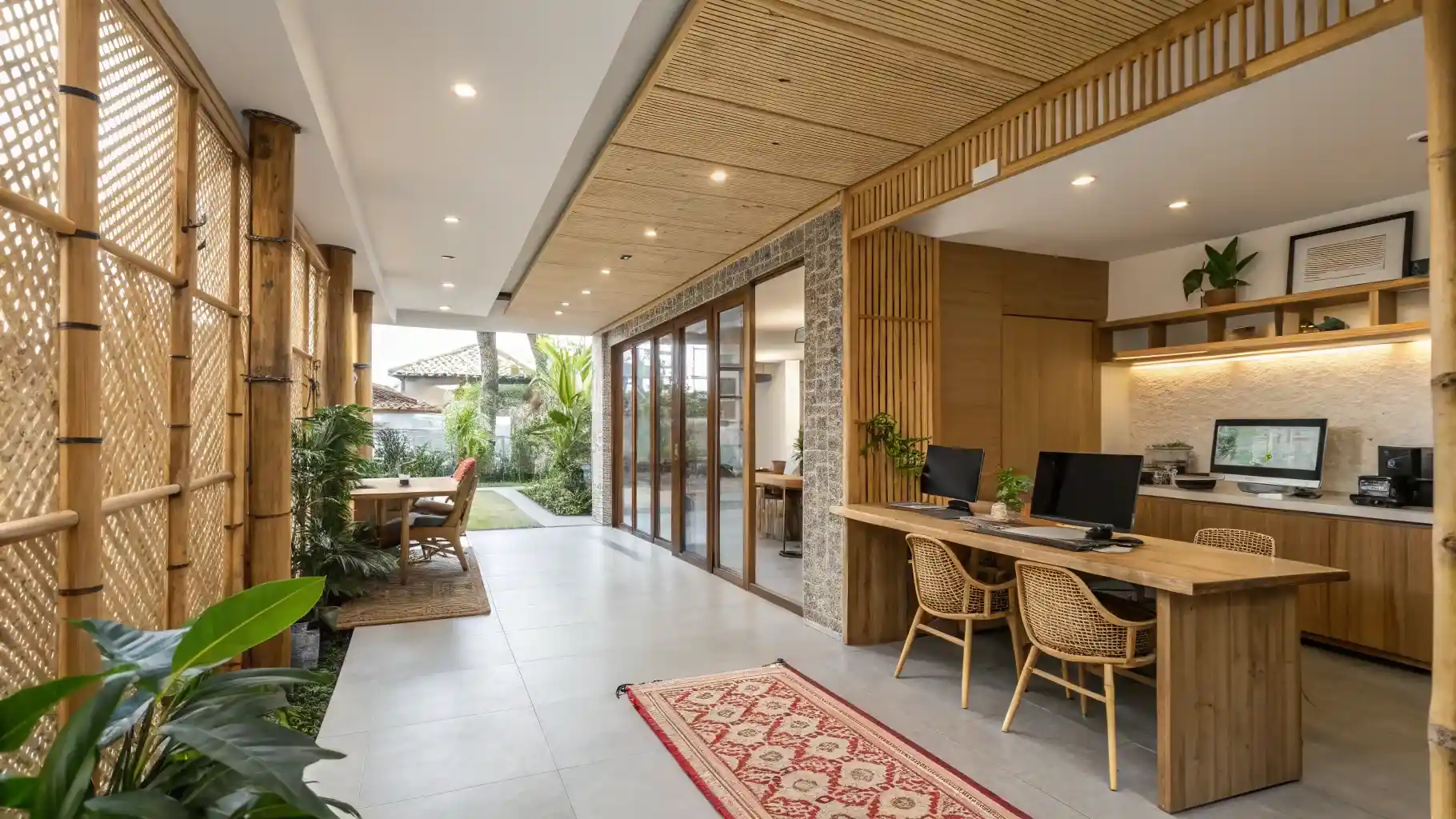
Capital Appreciation of Bali Villas

“Bali villa capital appreciation is driven by strategic location and market trends, with well-positioned properties often achieving annual gains of 7–15%. Foreign investors commonly use leasehold or right-to-use structures to participate in this lucrative market.”

Investing in Bali villas offers a unique opportunity for capital appreciation, particularly in areas like Canggu, Seminyak, and Uluwatu. These regions are not only tourist hotspots but also show strong annual growth in property values. Foreign investors, while unable to own freehold directly, can utilise legal structures like leasehold and right-to-use to benefit from these trends. The potential for a 7–15% annual increase in property value makes Bali an attractive market for those looking to invest in real estate with promising returns.

Understanding Ownership Structures for Foreign Investors

Foreigners face restrictions when it comes to owning freehold (Hak Milik) property in Bali. However, there are several government-approved methods to participate in the real estate market. Leasehold (Hak Sewa) is a popular option, offering long-term usage rights, typically for 25–30 years, without owning the land. Another viable method is the right-to-use (Hak Pakai) on freehold land, which allows foreigners to hold a certificate in their name, granting exclusive use but not ownership. Lastly, establishing a foreign-owned company (PT PMA) enables more direct control and operation of properties, including running a holiday rental business.

These structures provide flexibility and legal security for foreign investors. Nominee arrangements, while sometimes used, carry significant legal risks and are not recommended. Choosing the right structure depends on investment goals and risk tolerance. It is crucial to work with trusted local agencies and legal professionals to ensure compliance with Indonesian property laws and navigate the complexities of the market. For more detailed guidance, visit our Bali property capital growth page.

Prime Locations Driving Capital Appreciation

Bali’s real estate market is heavily influenced by location. Areas like Canggu, Seminyak, and Uluwatu are popular among investors due to their vibrant tourism scenes and high demand for short-term rentals. These locations offer strong potential for capital appreciation, with annual growth rates ranging from 7% to 15%. In some emerging areas, this can reach 15–20% during strong market cycles. The appeal of these regions lies in their combination of natural beauty, cultural attractions, and thriving hospitality industry.

Investors should consider the unique characteristics of each area. Canggu is known for its surf culture and trendy cafes, while Seminyak offers upscale shopping and dining experiences. Uluwatu, with its cliffside views and luxury resorts, attracts a high-end clientele. Each location presents different opportunities for rental yield and property appreciation. For a deeper dive into these prime locations, explore our dedicated Bali prime location villas page.

Rental Yields as a Component of Returns

Rental yields are a crucial aspect of Bali villa investments. Short-term holiday rentals in prime locations can achieve gross yields of 12–18%, with some marketing materials suggesting up to 20% in exceptional cases. These figures are significantly higher than the global average of around 5%, making Bali an attractive destination for real estate investors. The break-even point for such investments is typically around 5–7 years, assuming professional management and high occupancy rates.

Long-term lease arrangements, offering more stable income, yield slightly lower percentages (8–12%) but require less active management. The choice between short-term and long-term rentals depends on the investor’s risk appetite and management capacity. Professional property management companies can handle marketing, bookings, and maintenance, ensuring compliance with local regulations. This service often comes at a fee, usually a percentage of the gross revenue, but it is essential for maximising returns and maintaining property standards.

Factors Influencing Capital Appreciation

Several factors contribute to the capital appreciation of Bali villas. Strategic location is paramount, with properties in high-demand tourist areas experiencing the most significant growth. Additionally, the design and features of the villa, such as a good bedroom mix, private pool, and Instagram-friendly aesthetics, can enhance rental yield and, consequently, property value. Off-plan villas are marketed as gaining 15–20% in value from purchase to completion, driven by construction margin and market appreciation.

The broader economic environment also plays a role. Bali’s tourism-driven economy and strong visitor numbers underpin demand for short-term villa rentals, a critical driver of investment returns. However, investors should remain aware of potential regulatory changes in Indonesia that could impact property, tax, or foreign ownership rules. Regular consultation with local legal experts is advisable to navigate these dynamics and protect investments.

Investment Costs and Potential Returns

The cost of investing in a Bali villa varies widely, with entry-level properties starting around USD 80,000 and luxury villas exceeding USD 500,000. Rental income expectations also differ, with a single villa potentially generating USD 25,000–40,000 annually, depending on size, location, and nightly rates. These figures illustrate the potential for attractive returns, especially when combined with capital appreciation and rental yields.

Investors should factor in additional costs such as property management fees, maintenance, and legal expenses when calculating potential returns. Professional management is crucial for achieving high occupancy rates and maintaining property standards. Trusted local agencies and licensed notaries can assist in conducting due diligence, drafting contracts, and ensuring compliance with Indonesian property law, safeguarding the investment process.

Navigating the Legal Landscape

Legal due diligence is critical when investing in Bali property. Foreign investors should always verify zoning, land certificates, building permits, and any existing encumbrances with a local notary or lawyer. The acquisition process for leasehold villas is typically more straightforward than freehold due to fewer land title complexities. However, understanding the legal landscape is essential to avoid potential pitfalls and ensure compliance with Indonesian regulations.

Agencies that position themselves as full-service providers can offer valuable assistance, handling everything from legal setup and property acquisition to development and ongoing rental management. This comprehensive approach simplifies the investment process and provides peace of mind. For further insights, refer to official Indonesian government resources or reputable international references.

Conclusion: Making Informed Investment Decisions

Bali villa investments offer promising opportunities for capital appreciation, driven by strategic locations and robust market trends. While foreigners cannot directly own freehold property, legal structures like leasehold and right-to-use provide viable pathways to participate in this lucrative market. Understanding the nuances of ownership structures, prime locations, and rental yields is crucial for making informed investment decisions.

We invite you to explore these opportunities further and discuss your investment goals with our team. For personalised advice and assistance, reach out through our contact page. Let us help you navigate the Bali property market and maximise your investment potential.

Scroll to Top
💬