Bali’s villa market is evolving, and 2027 marks a significant shift towards Wabi-Sabi minimalism. This design philosophy, rooted in Japanese aesthetics, embraces simplicity, natural materials, and the beauty of imperfection. For investors eyeing Bali’s lucrative villa market, understanding this trend is crucial. Villas that harmonize with the environment and offer a serene escape are increasingly in demand. With the potential for 12–18% gross rental yields in prime areas like Canggu and Uluwatu, aligning with this trend can enhance your investment’s appeal and profitability.
Understanding Wabi-Sabi Minimalism in Bali Villas
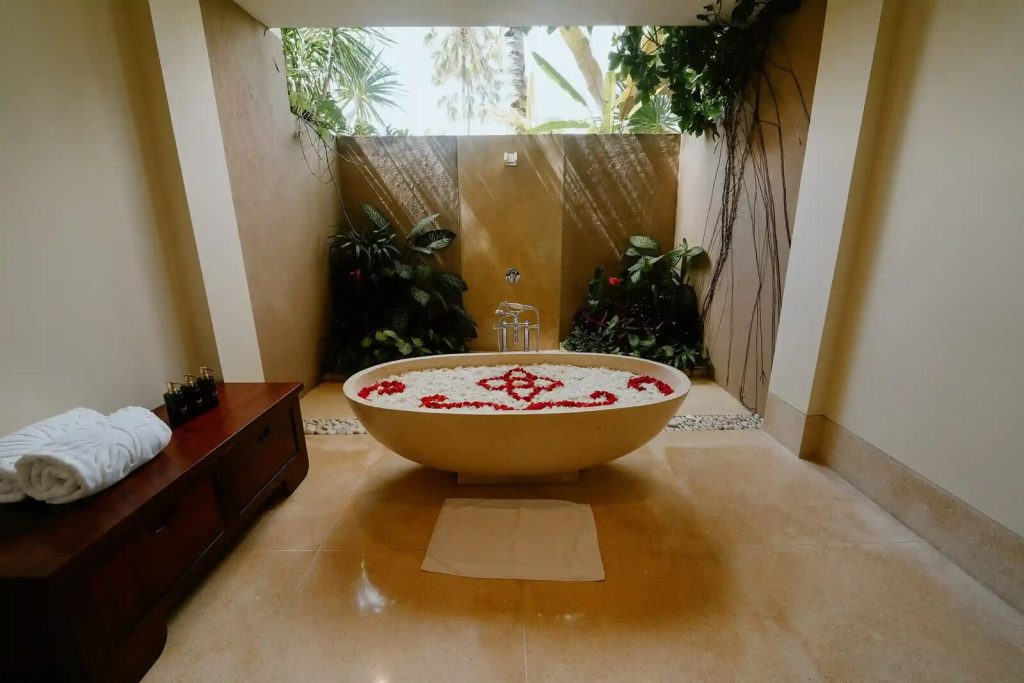
Wabi-Sabi minimalism is a design approach that values simplicity and the beauty found in imperfection. In the context of Bali villas, this translates to spaces that are serene, uncluttered, and intimately connected to nature. Wabi-Sabi embraces materials like wood, stone, and clay, which age gracefully and develop character over time. This design ethos resonates with Bali’s natural beauty, making it a perfect fit for villas seeking to offer guests an authentic and tranquil experience. By integrating Wabi-Sabi elements, villa owners can create spaces that feel both luxurious and grounded. This approach not only enhances the aesthetic appeal but also aligns with the growing demand for sustainable and meaningful travel experiences. For investors, adopting Wabi-Sabi minimalism can be a strategic move to attract discerning guests looking for unique stays that reflect the essence of Bali.
The Investment Appeal of Wabi-Sabi Minimalism
Investing in a villa that incorporates Wabi-Sabi minimalism can significantly boost rental appeal. This design trend not only attracts tourists seeking distinctive accommodations but also aligns with the broader movement towards sustainable tourism. Villas in prime locations like Seminyak and Bingin, designed with Wabi-Sabi principles, are poised to capture the attention of high-yield holidaymakers. These areas typically offer gross rental yields of around 12–18%, and integrating Wabi-Sabi elements can further enhance occupancy rates. The design’s emphasis on natural materials and simplicity can reduce maintenance costs, increasing net returns for investors. Furthermore, the appeal of Wabi-Sabi minimalism is not just aesthetic; it reflects a lifestyle choice that resonates with a growing demographic of travelers prioritizing mindfulness and authenticity. For investors, this trend presents an opportunity to differentiate their properties in a competitive market, potentially leading to faster break-even points, typically around 5–7 years in Bali’s prime tourist destinations.
Materials and Techniques: Bringing Wabi-Sabi to Life
To successfully implement Wabi-Sabi minimalism in Bali villas, the choice of materials and construction techniques is crucial. Natural materials such as bamboo, teak, and volcanic stone are favoured for their durability and aesthetic appeal. These materials not only complement Bali’s tropical landscape but also embody the Wabi-Sabi principle of embracing nature’s imperfections. Techniques like traditional Balinese carpentry and stone masonry can enhance the villa’s authenticity and charm. Incorporating elements like open-air spaces, water features, and indoor-outdoor living areas can further enrich the Wabi-Sabi experience. Such designs promote airflow and natural light, reducing reliance on artificial climate control and lowering energy costs. For investors, these choices can translate into higher guest satisfaction and occupancy rates. Emphasizing craftsmanship and quality materials can also add value to the property, contributing to potential capital appreciation in a market where property values are marketed to increase by 7–15% annually.
Legal Considerations for Foreign Investors
Foreign investors interested in Bali villas must navigate Indonesia’s legal landscape carefully. Direct freehold (Hak Milik) ownership is reserved for Indonesian citizens, making alternatives such as leasehold (Hak Sewa) or right-to-use (Hak Pakai) essential for foreigners. Leasehold agreements often span 25–30 years, providing long-term usage rights without land ownership. A PT PMA (foreign-owned company) can also hold certain land titles and operate commercial activities, including villa rentals. Investors should engage trusted local real estate agencies and licensed notaries to conduct due diligence and ensure compliance with Indonesian property laws. These professionals can assist in verifying zoning, land certificates, and building permits, safeguarding against legal risks. Understanding these legal frameworks is critical for maximizing investment returns and minimizing potential regulatory challenges in a dynamic property market like Bali’s.
Market Dynamics and Rental Demand
Bali’s villa market is driven by strong tourism numbers and a demand for unique accommodation experiences. Prime areas such as Canggu and Uluwatu are known for their high occupancy rates, often reaching 80–85% when well-marketed and professionally managed. Villas designed with Wabi-Sabi minimalism are particularly attractive to tourists seeking serene and authentic stays. This trend aligns with the broader shift towards experiential travel, where guests value meaningful connections with their surroundings. The potential for high rental yields, combined with the appeal of Wabi-Sabi design, positions these villas as attractive investment opportunities. Investors can expect annual rental incomes in the USD 25,000–40,000 range for well-located properties, depending on factors like size and nightly rates. For more insights into rental demand dynamics, visit our Bali villa rental demand page.
Designing for Sustainability and Profitability
Sustainable design is increasingly important in the Bali villa market. Wabi-Sabi minimalism, with its focus on natural materials and simplicity, inherently supports sustainable practices. This design approach reduces environmental impact and appeals to eco-conscious travelers. Villas that incorporate energy-efficient systems, rainwater harvesting, and native landscaping can further enhance their sustainability credentials. For investors, these features not only attract a broader audience but also reduce operational costs, increasing profitability. The emphasis on sustainability also aligns with global trends and regulatory expectations, providing a hedge against future changes in environmental standards. By prioritizing sustainable design, investors can enhance their villas’ marketability and long-term value, contributing to a robust return on investment.
Conclusion: Embrace the Future of Bali Villa Design
As Bali’s villa market evolves, embracing Wabi-Sabi minimalism offers investors a unique opportunity to align with emerging trends and maximize returns. This design philosophy enhances guest experiences and supports sustainable tourism, providing a competitive edge in a dynamic market. For those interested in exploring this investment avenue further, we invite you to contact us for personalized advice and assistance. Visit our contact page to learn more about how you can capitalize on Bali’s villa design trends in 2027.
Related guide: Pool Safety for Bali Villas